

INFLUENCES
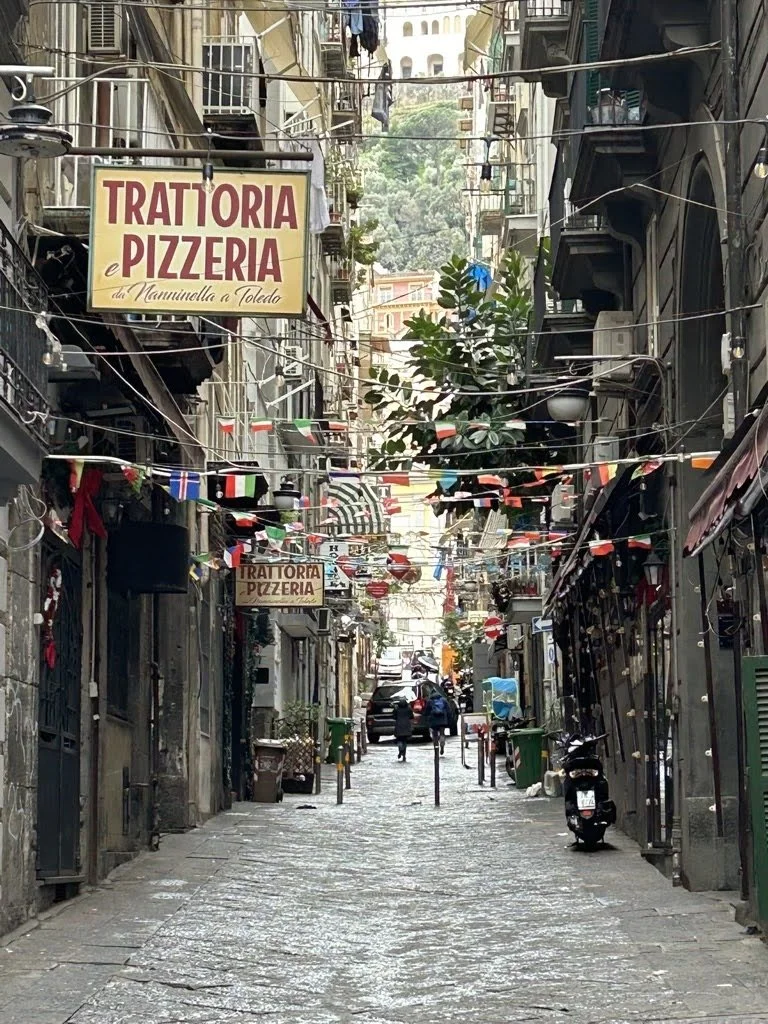
This is an ever-expanding list of artists, projects, concepts and theories I use in my work.

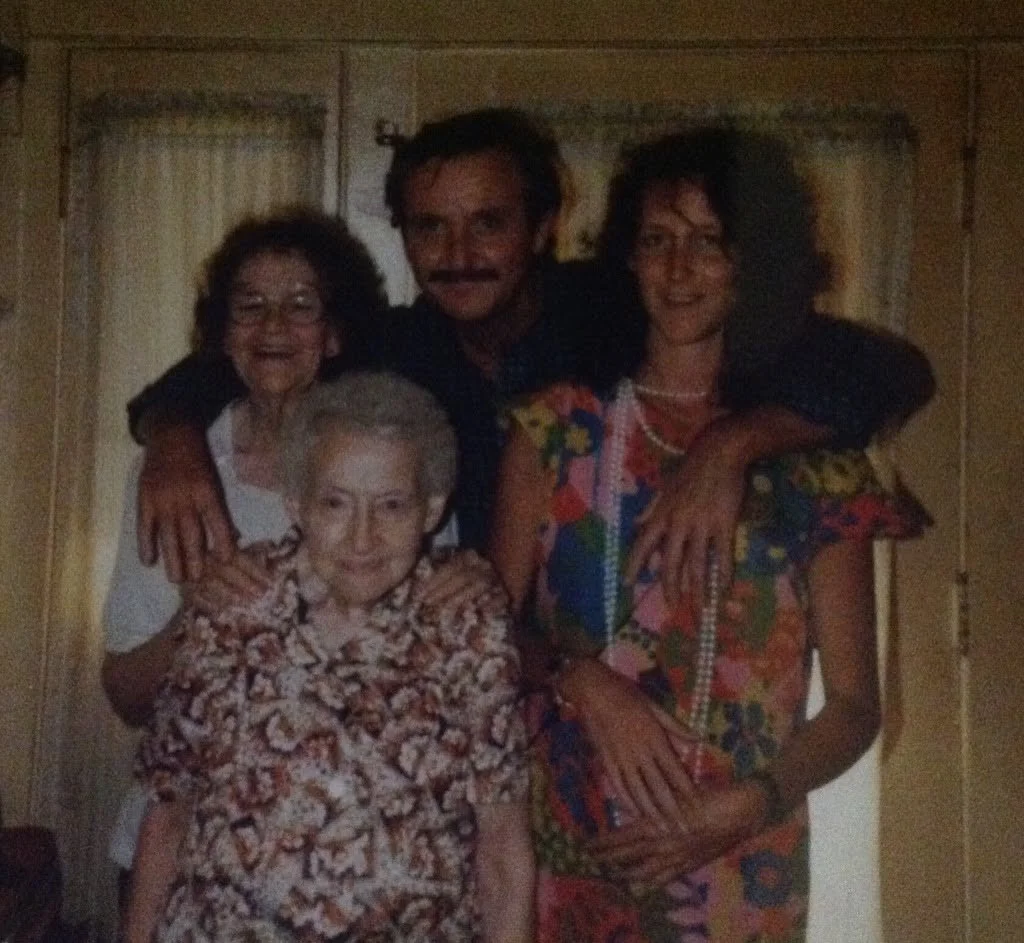


Influence List
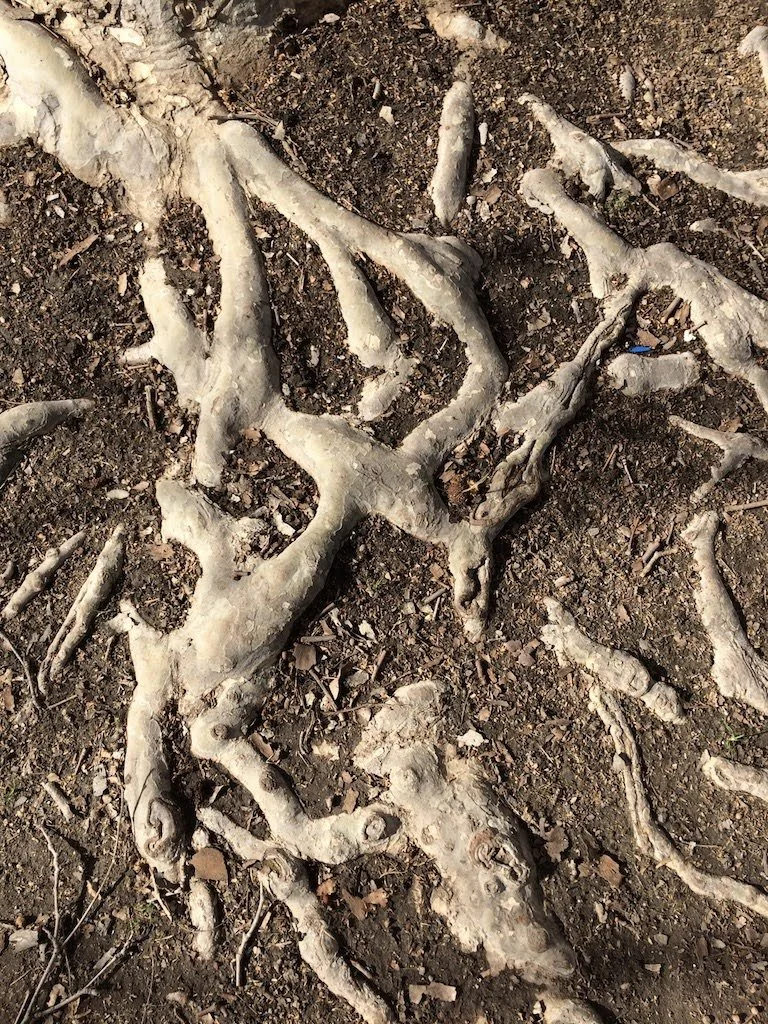
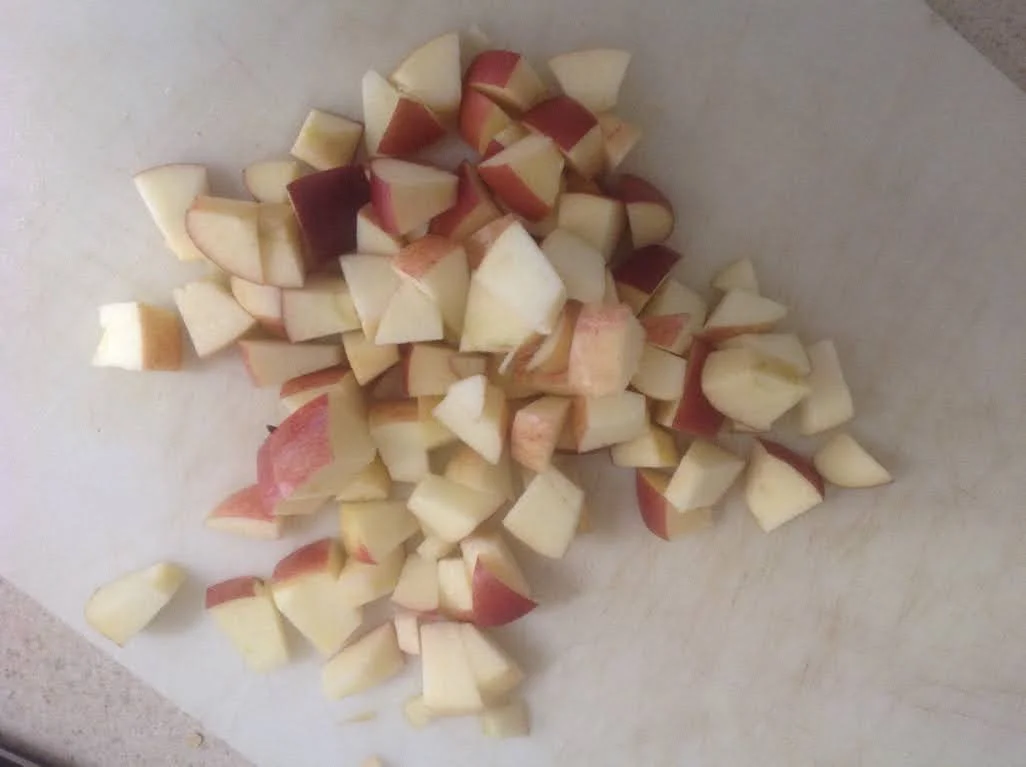
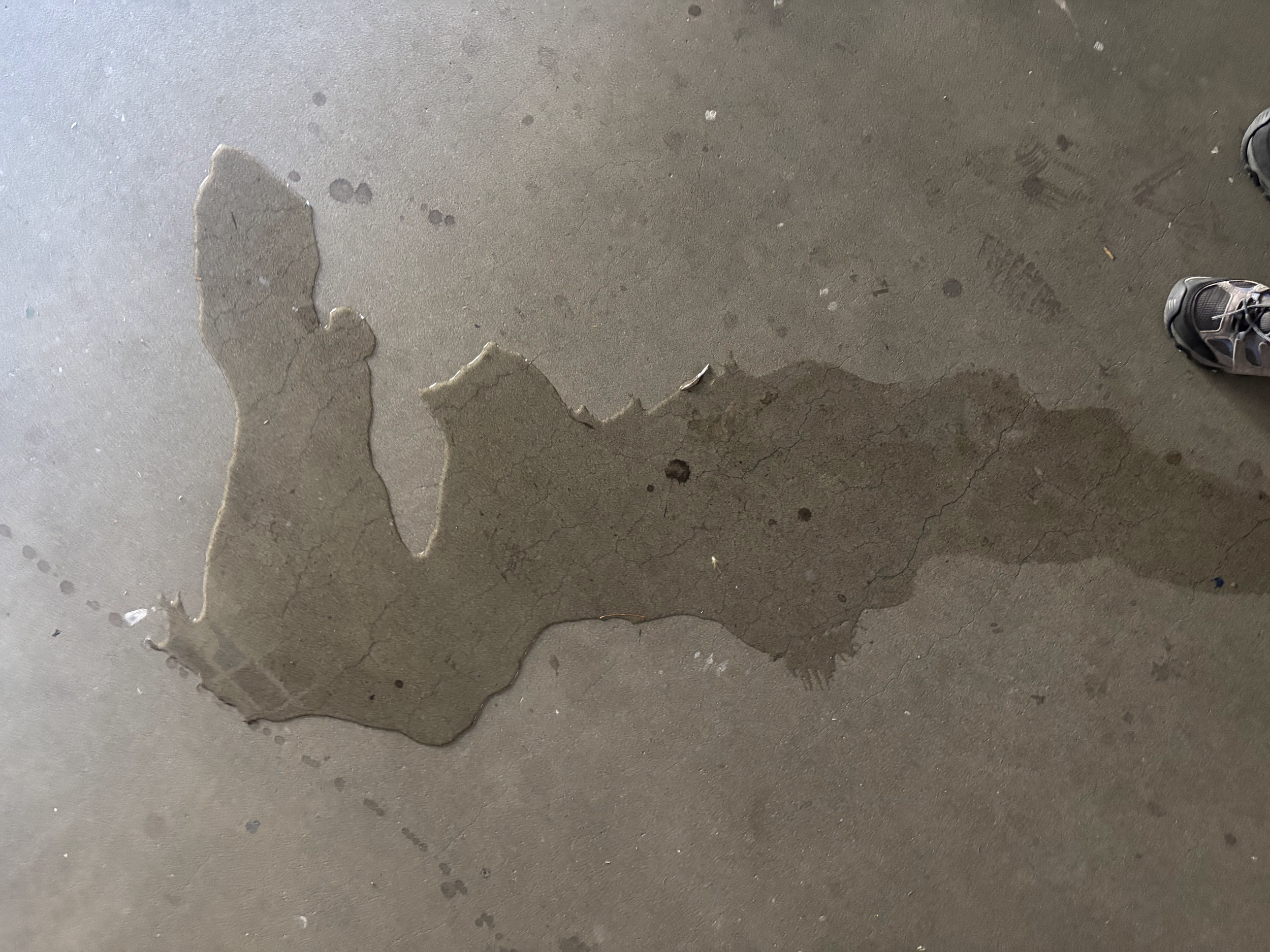
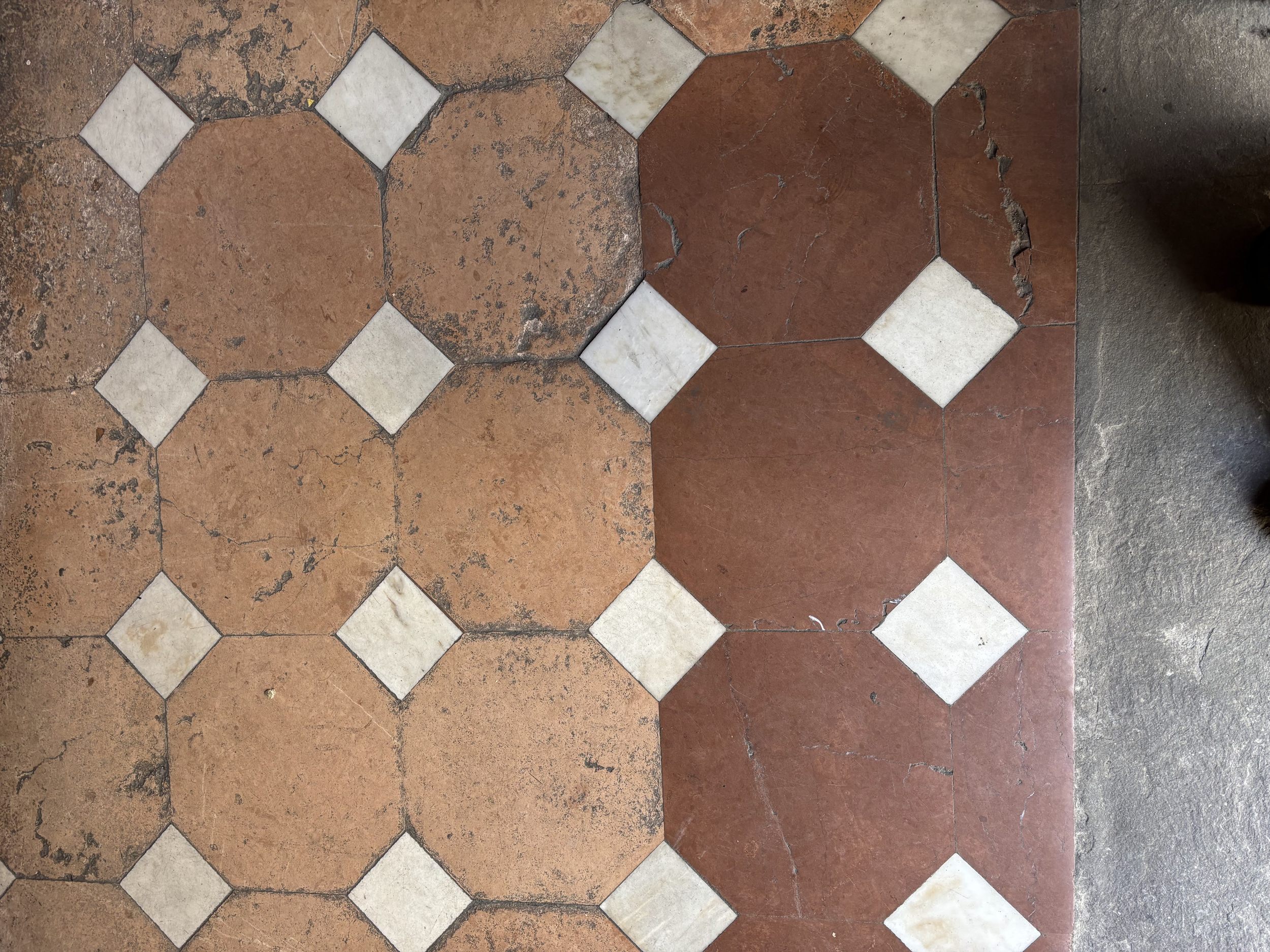
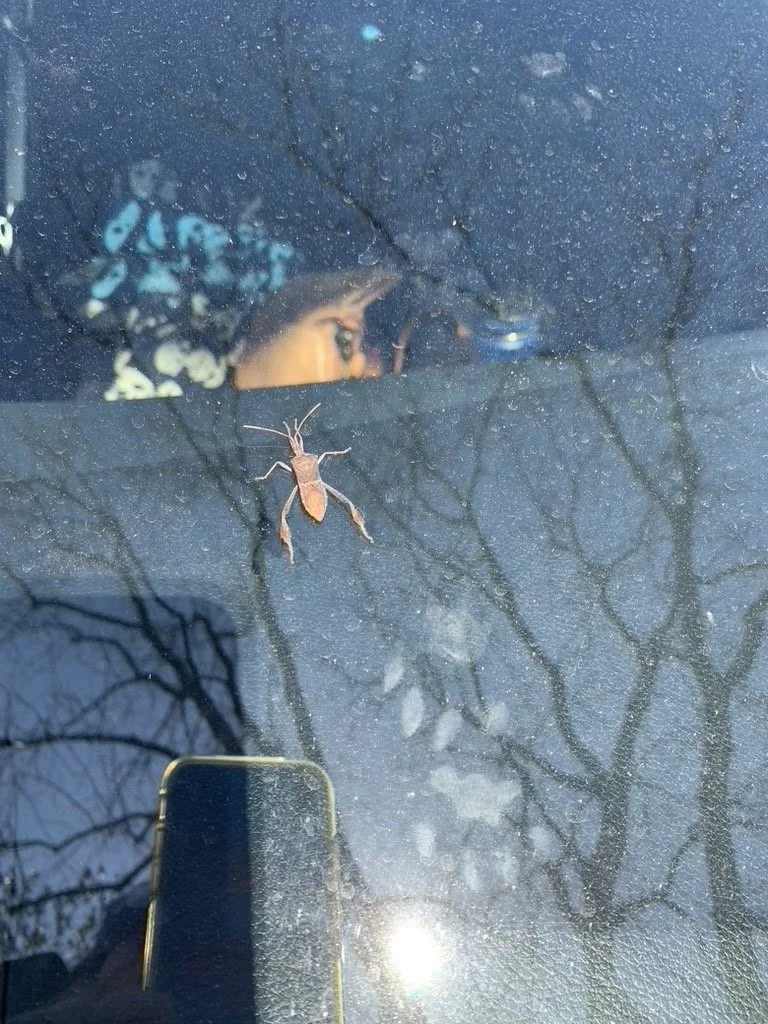
A. Noticing; an engagement with surroundings. Gabriel Orozco (contemporary artist)
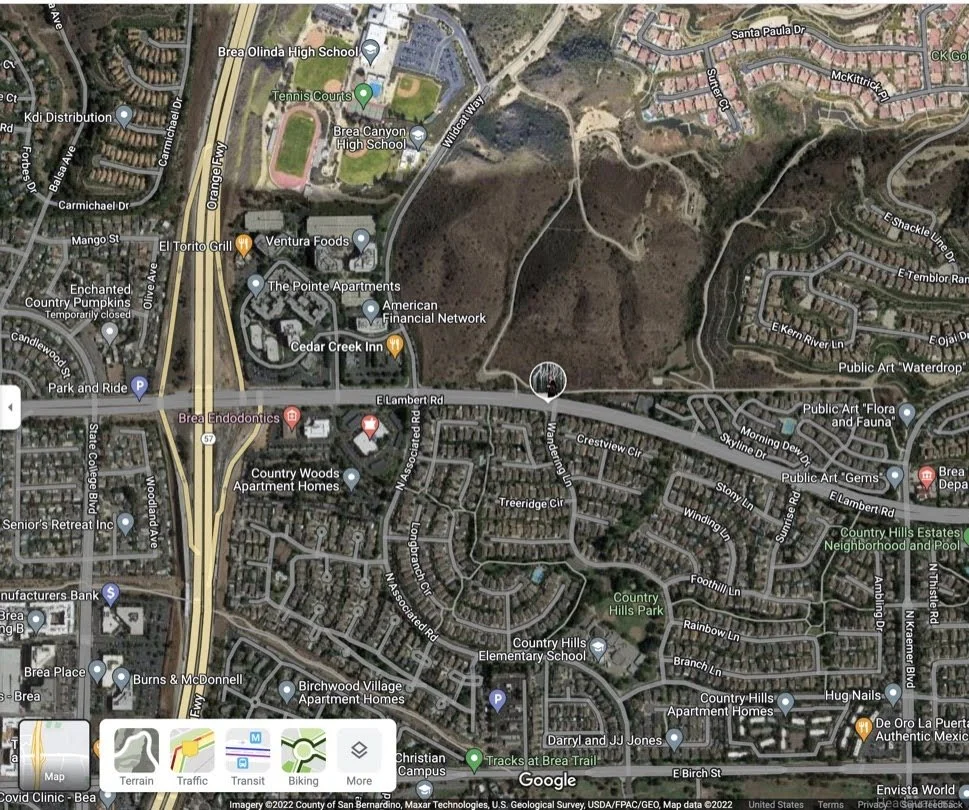
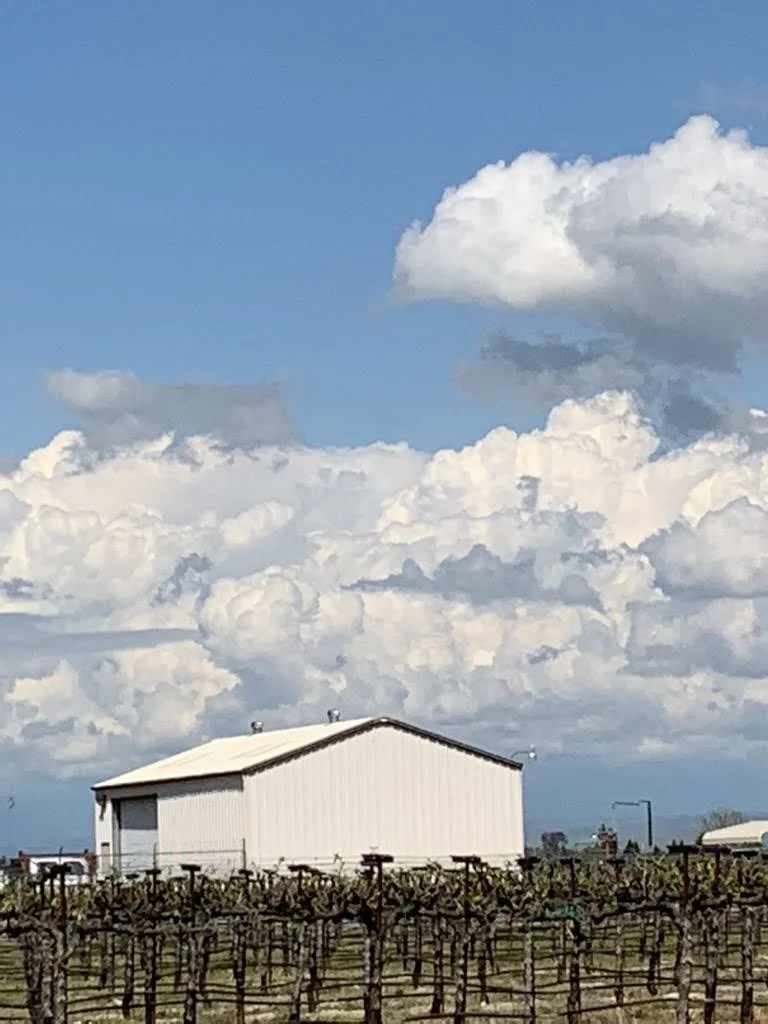
B. Making connection to a specific time and place. Lucy Lippard (art historian) The Lure of the Local: Senses of Place in a Multicentered Society (1997)
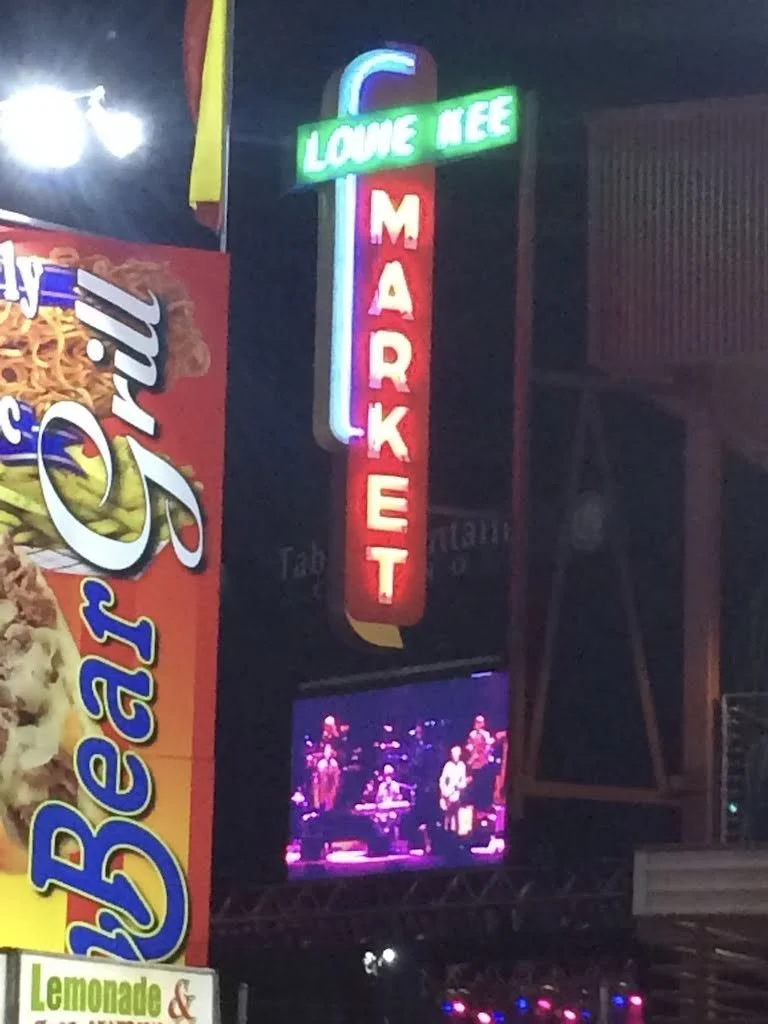
C. Architects Robert Venturi and Denise Scott Brown found function and beauty in both strip malls and the history of architecture. Learning from Las Vegas (1972)
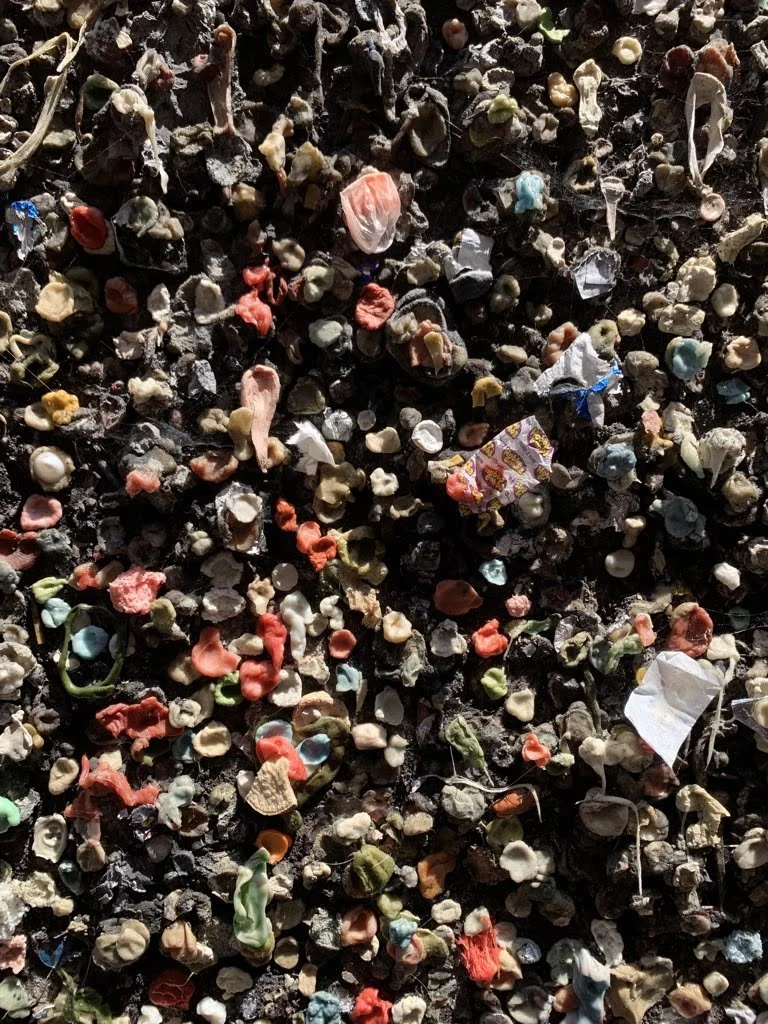
D. A charge of energy connected to found objects from the person who used and discarded them El Anatsui (contemporary artist)
E. Amalia Mesa Bains (The Sensibility of Chicana Rasquachismo) wrote about Domesticana a feminist response to the masculine Latino Rasquache
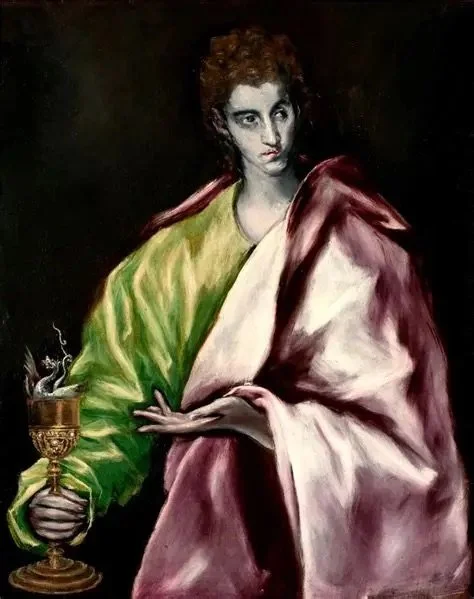
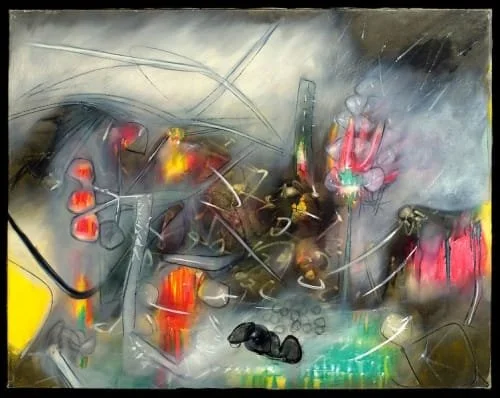
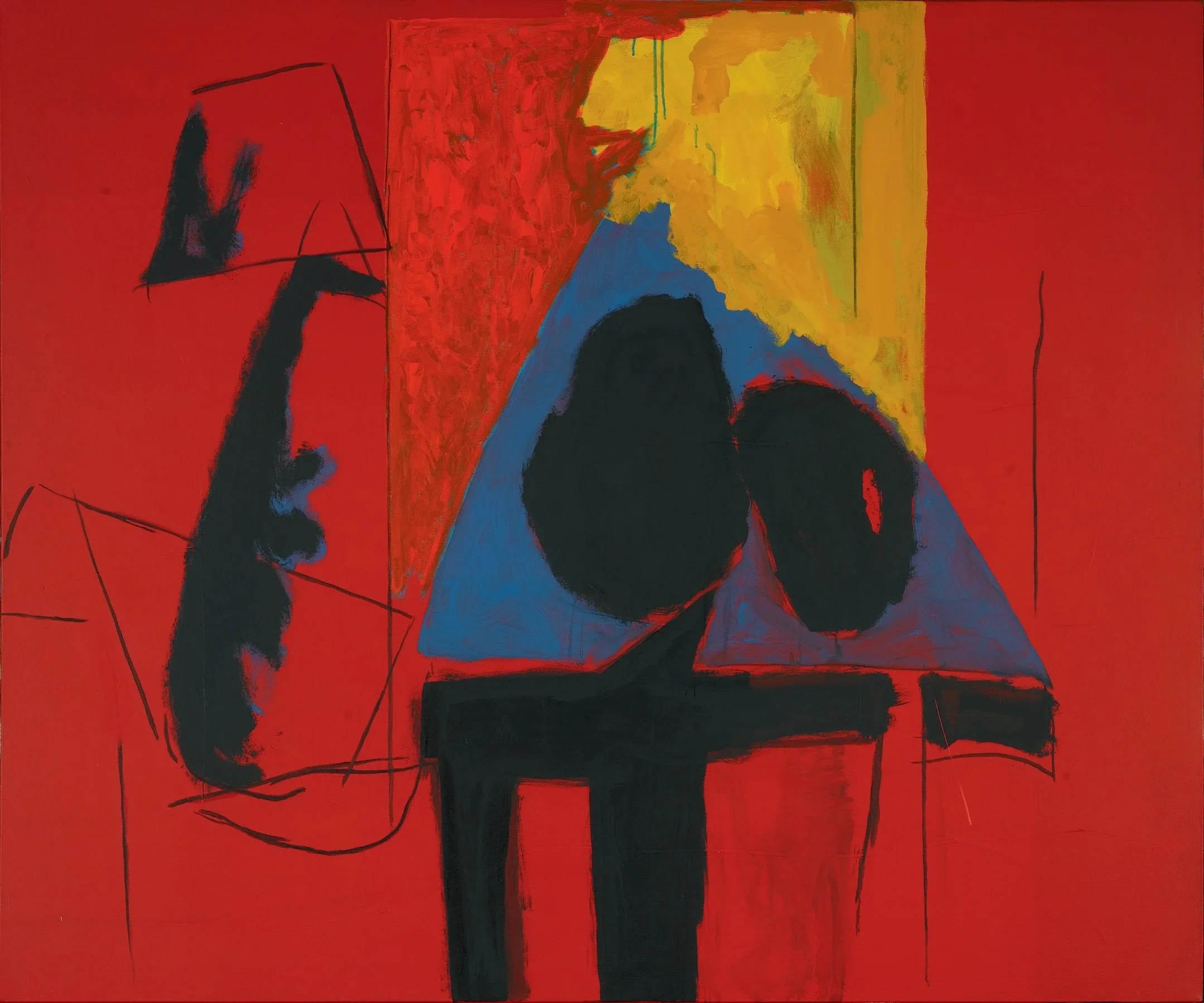
F. Abstract Expressionists: Jungian psychology;archetypal images that resonate with humans.
G. Social Geographer Edward Soja, socio-spatial dialectic and spatial justice
H. Rosalind Kraus
I. The use of random choices and chance operations practiced by Dada, Surrealists, John Cage.
J. The beauty of found objects from the assemblages of Robert Rauschenberg
K. Elevation of ordinary people as a subject in large scale history paintings/images that glorify a ruler. (Gustave Courbet)
L. Making artworks that represent the spaces of ordinary people and bringing them into the museum spaces which have been governed by the wealth. Rachel Whiteread (contemporary artist)
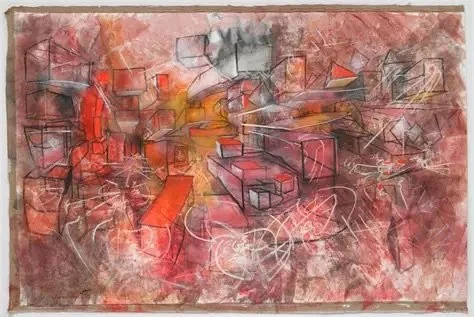
M. Interest in allover patterns, no focal point. Archetypal images (abstract Expressionism)
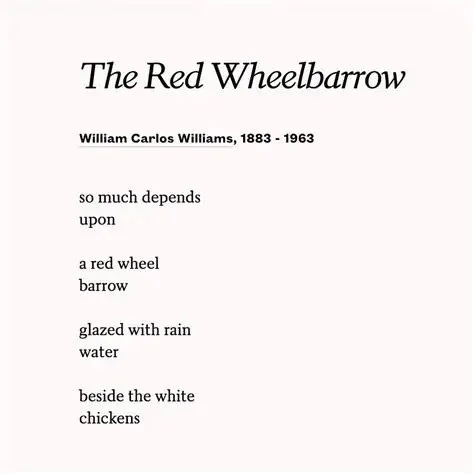
N. Showing people and their surroundings as they are, neutrally, not beautified, not perfect. (19th c. Realism, Netherlandish painting 15th century)
O. Rejection of the “picture perfect” of social media
P. Use of arbitrary color (Fauves)
Q. Understanding that time and place are both involved in images of reality and that the vantage points can shift in a single image (Cubism) Also Impressionism
R. Appropriation. Sherry Levine, Richard Prince. Both included in the Douglas Crimp curated exhibition The Pictures Generation
S. Multiples. Walter Benjamin. The work of art in the age of its mechanical reproducibility (1936) the aura of art changes.
T. T.J. Clark (social art historian) writings on the 19th century.
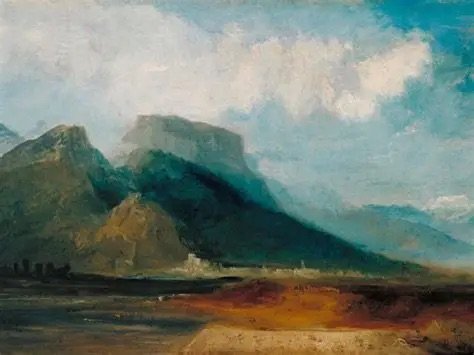
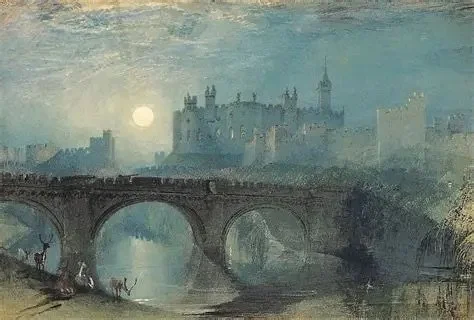
U. John Constable’s landscape paintings used sites that were familiar to him. They seem like landscape paintings but they were actually very personal.
V. Using imagery from art history is the pastiche of postmodernism
W. Personal connections to imagery.
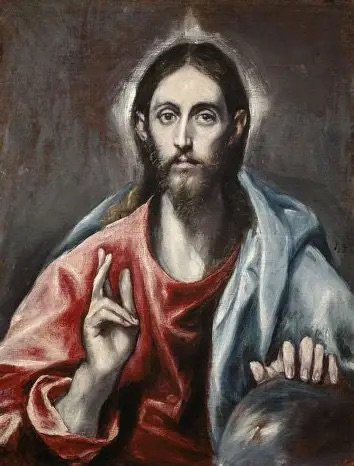
X. The recognition that objects don’t have to be rendered with illusionism, (Marc Chagall, Medieval/Byzantine)
Y. British land artist Richard Long uses the activity of walking to create art. He engaged in walking along the river Avon as a child, and continues to use these activities in his art making practice today. He actually made every day activity into art
Z. There is a name for people who can’t enjoy or don’t want to engage in sex with someone with whom they are not personally connected. (Demisexual) I’m like this with my art imagery.
AA. Jean Dubuffet art brut, raw, authentic, truthful
AB. Challenging art world norms —white mats, white walls, a sterile cleanliness, a world that was created and is maintained by rich people
AC. Using discarded objects, incorporating elements from everyday life like blue book pages, and brown paper from deliveries to add meaning to panels need reference
AD. Works of documentation, also wall drawings executed on gallery walls— conceptual artists
AE. The inclination to use found compositions, create rules and follow them. Creating a structure in which I try to make them work. Something I also did making clothing from left over fabric and yarn. need reference
AF. Anti illusionism breaking the rules that were established during the Renaissance. Mannerism, Baroque, Edouard Manet Mary 20th century modernists.
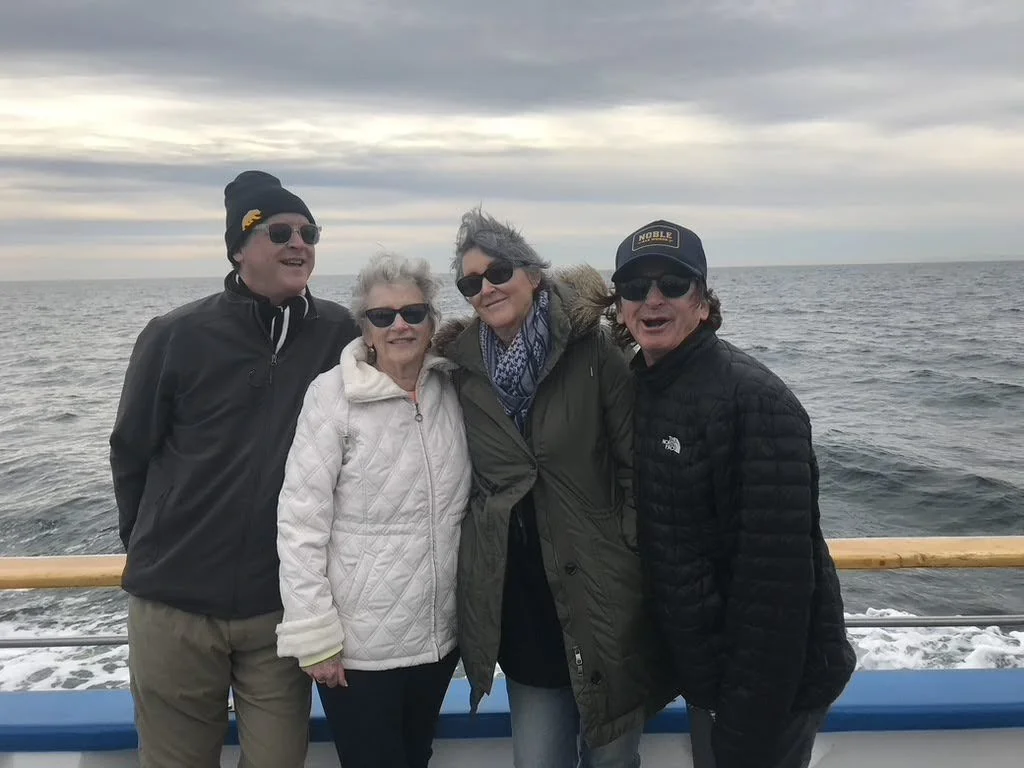
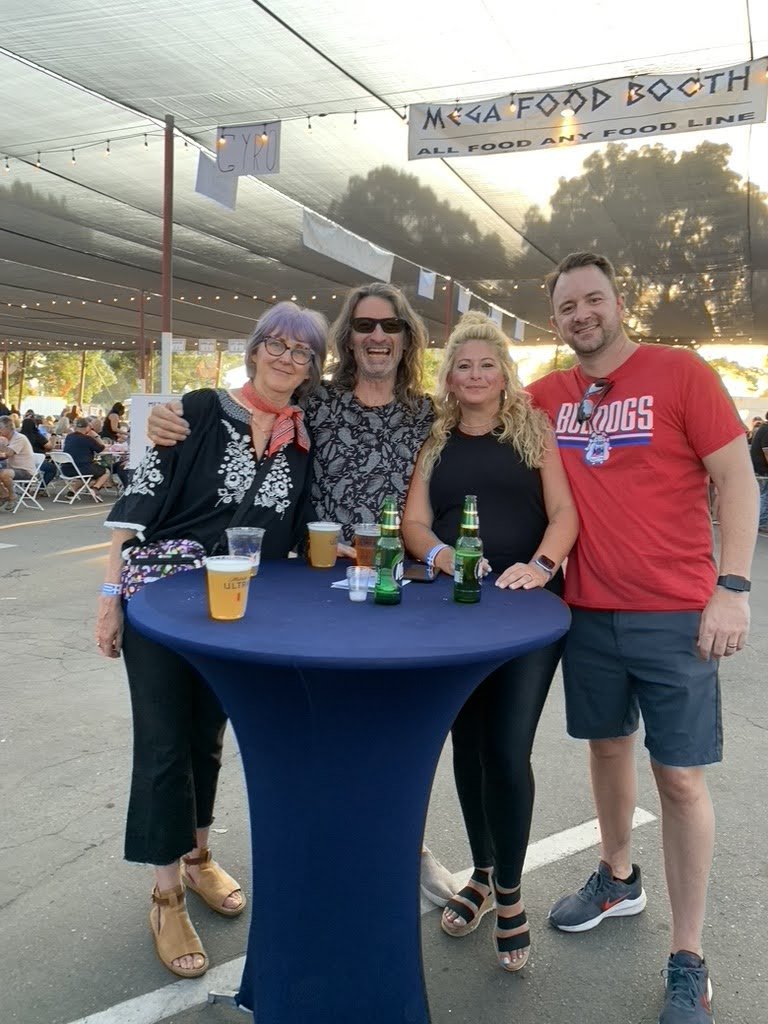
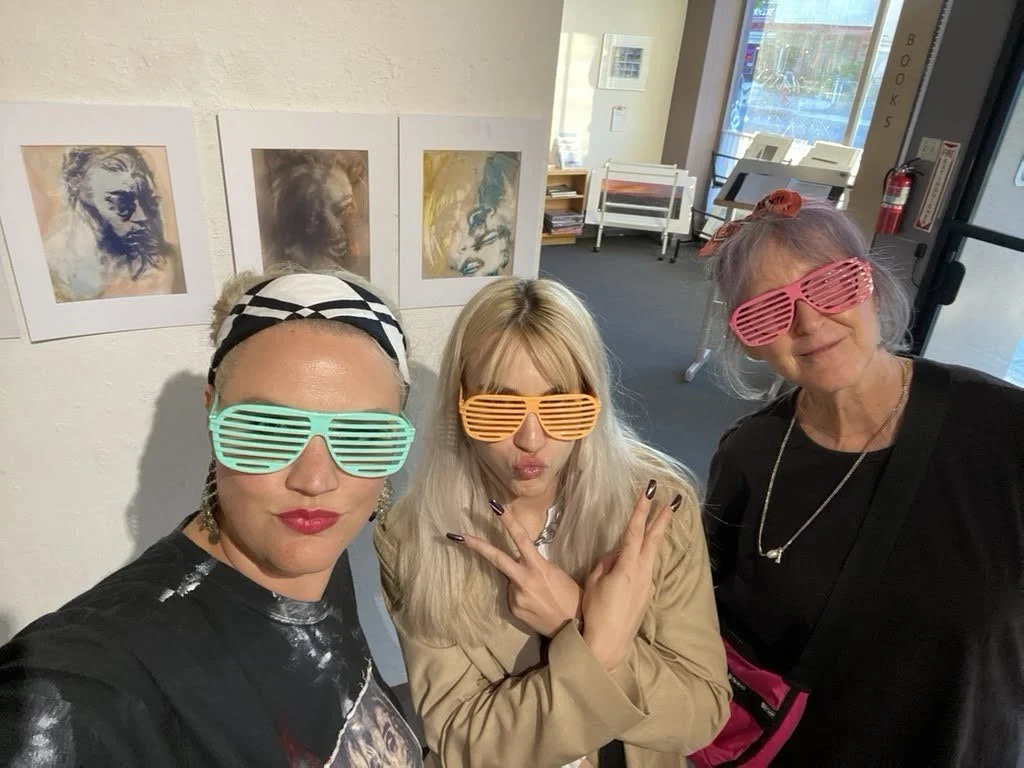
AG. Fear of disappearing, the invisibility of women of a certain age. In fit images/reels.
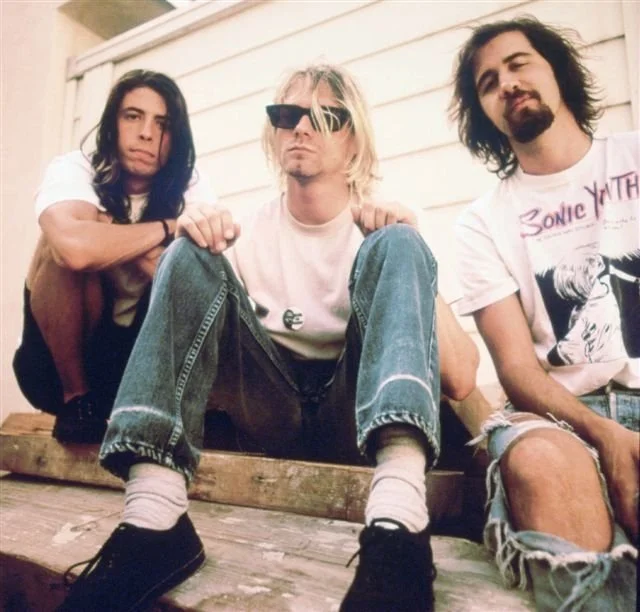
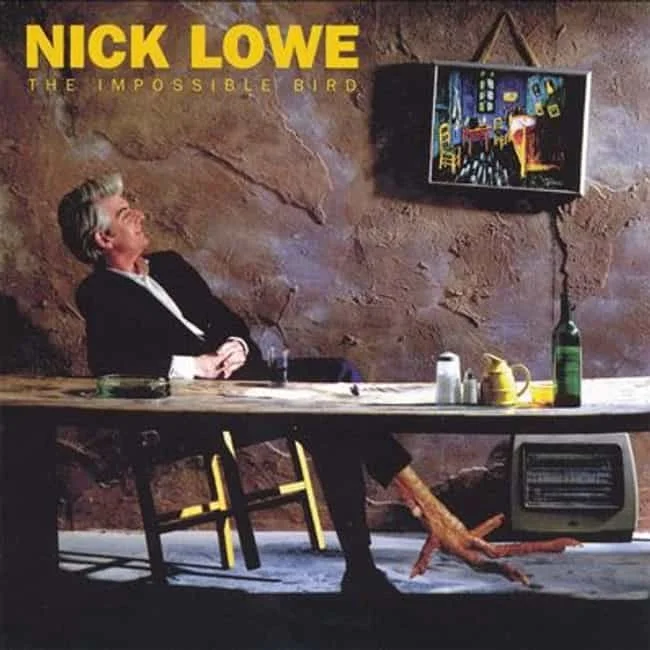
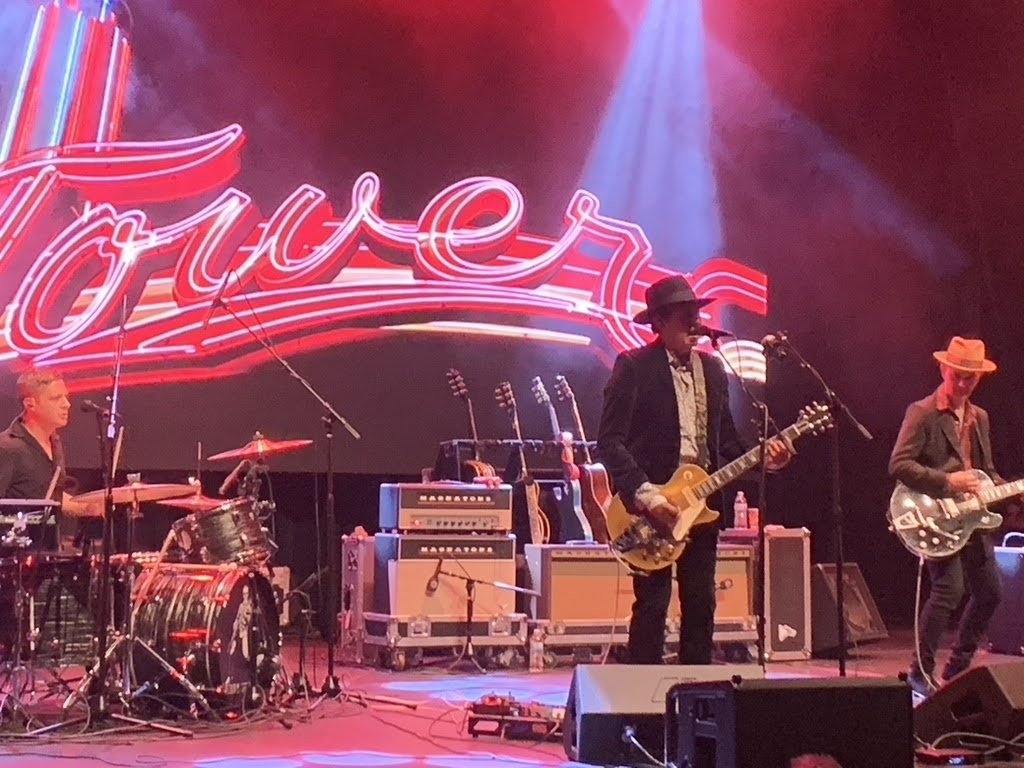
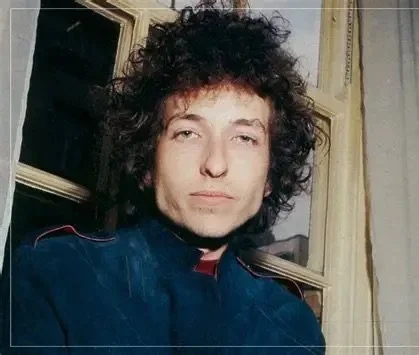
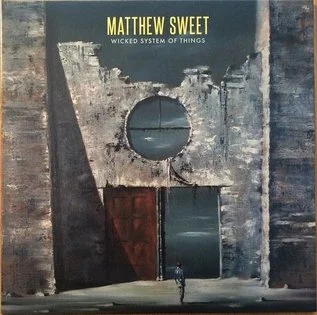
AH. Some of my favorite music entities: Nick Lowe, Matthew Sweet, Roxy Music, Bob Dylan, David Bowie, and Nirvana.
AI. Interest in flattening the picture plane, taking away the idea that a painting is a window to an illusionistic world, but instead is an object. Bringing attention to the paint (Edouard Manet, Henri Matisse, Cubism, Clement Greenberg)