

-
Photos of delivered packages taken hastily by delivery drivers to prove they accomplished their assignments.
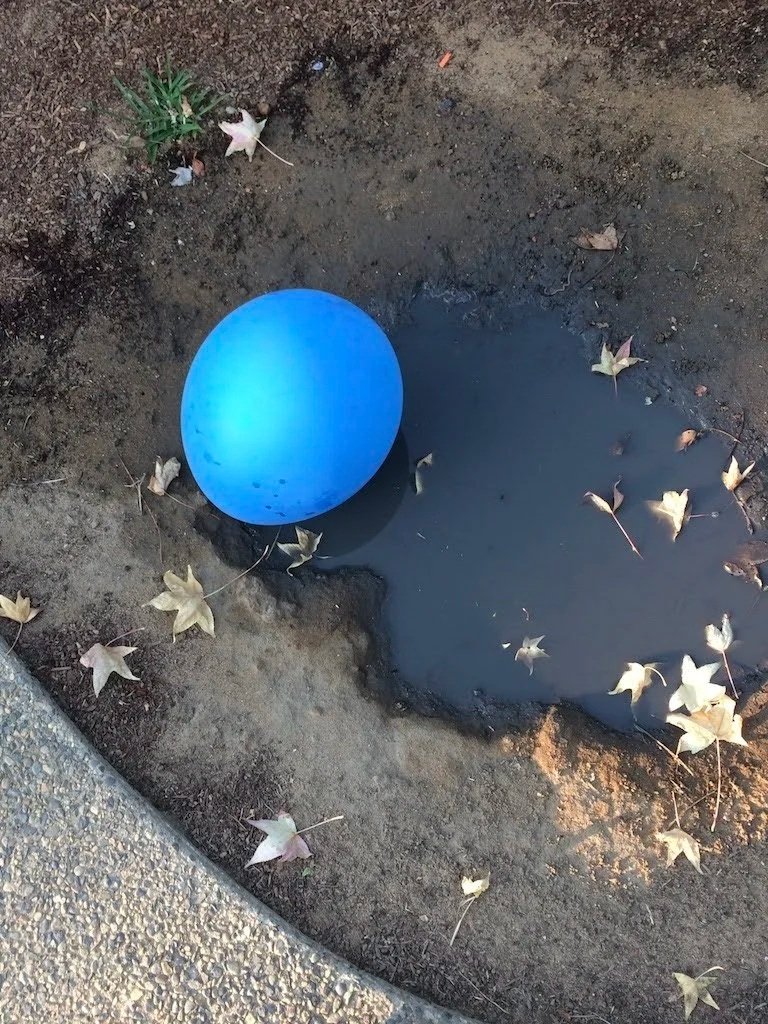
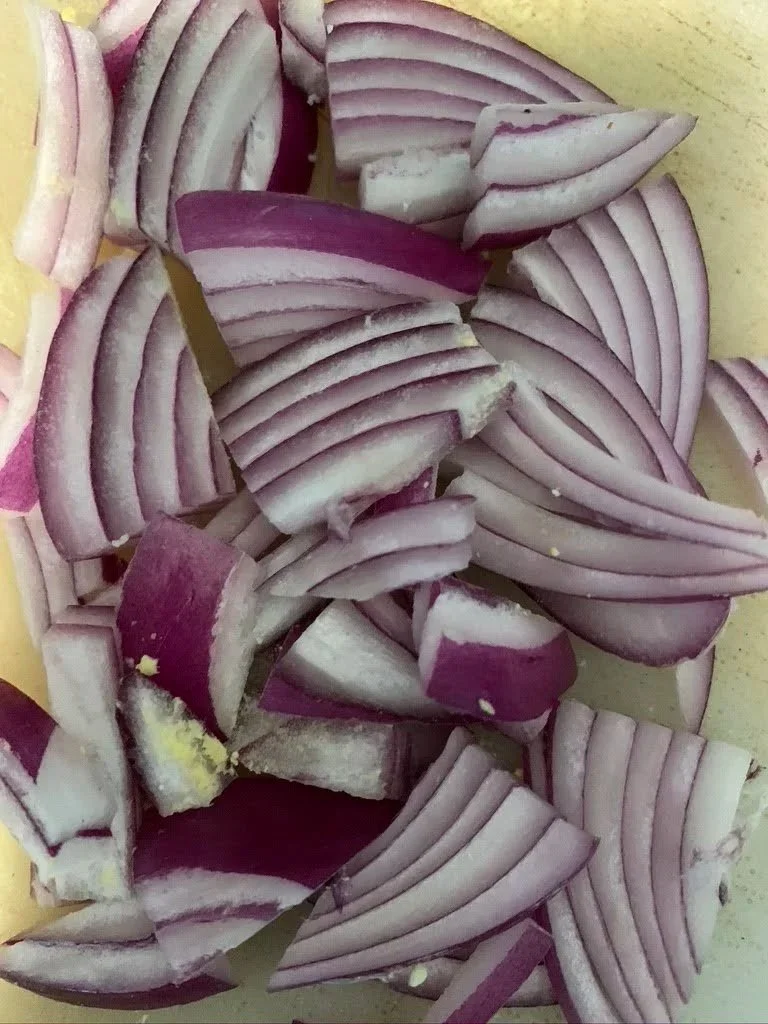
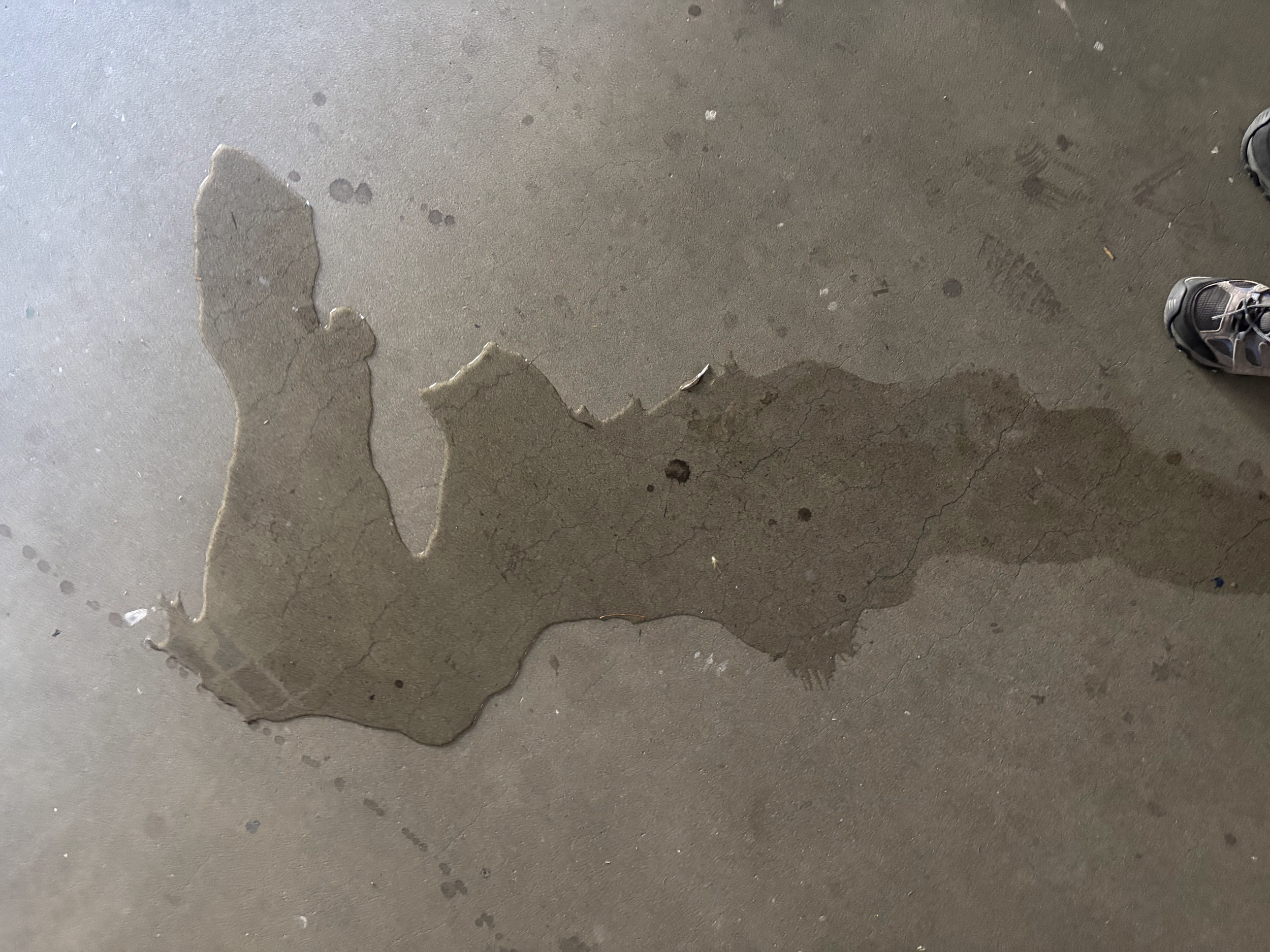
That being said, I make images that reflect a connection; from the hair tie to its owner, the relationship between cars of different colors, or me to a friend or family member, or the random relocation of dog toys. To me, authenticity, sincerity, and truth help keep the work personal. I find there is intimacy in such connection. I work slowly and intuitively, valuing the process of creation as much as final pieces or projects. The connections, intent, and emotions stirred are all part of what I believe help elevate the everyday and boring into worthy subjects for representation.My master’s thesis is on the social space of contemporary British sculptor Rachel Whiteread. One theme is how she brings the spaces of working people into the galleries and museums of the elite. I, too, explore place.



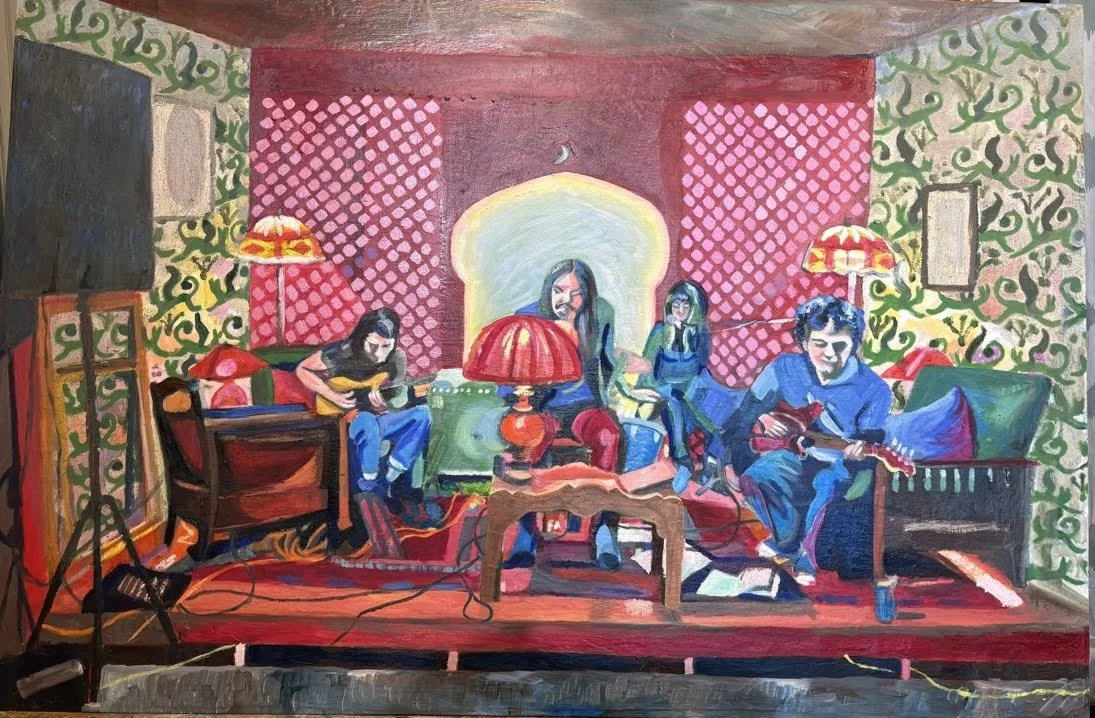
Artists throughout time have looked to daily life for subject matter. Rendering the world around us began with naturalistic wall paintings during prehistory. While the ancient Egyptians showed kings in a stylized manner, they portrayed ordinary people naturalistically, as seen in life. Roman mosaic artists recreated food and household objects in tiny pebbles on walls and floors. Dutch Baroque artists painted still life imagery and genre paintings, catering to the wealthy new merchant class.
EVERYDAY LIFE
A Historical, Personal, and Theoretical Basis.
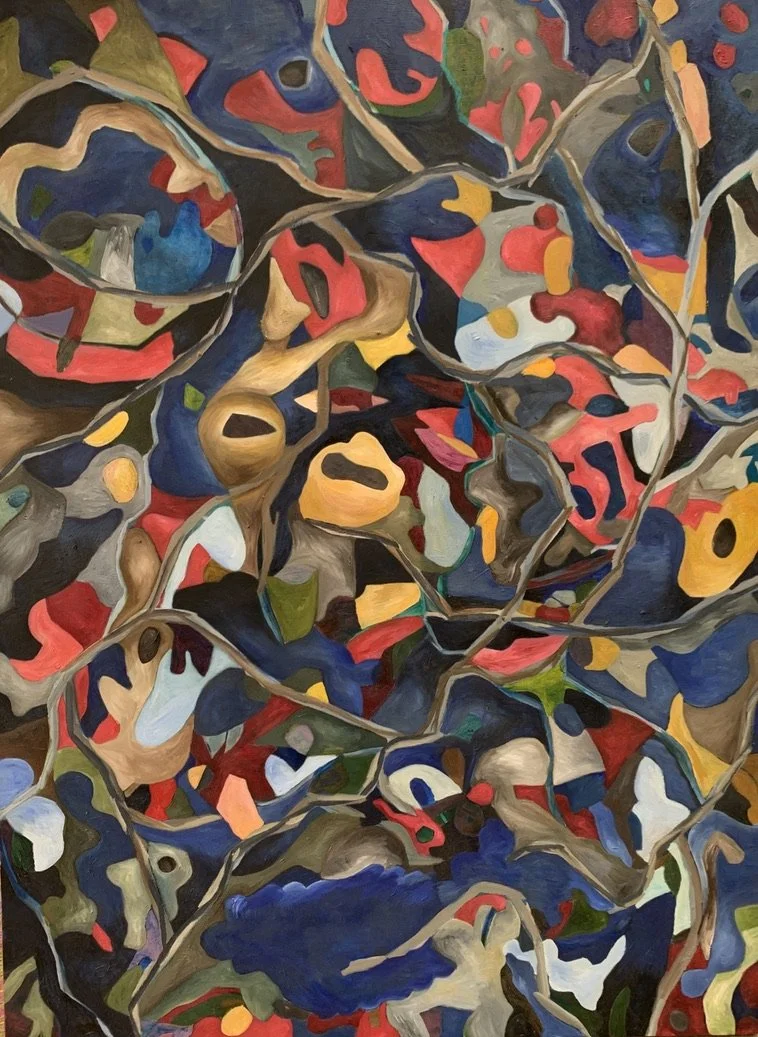
In the nineteenth century, French realist painter Gustave Courbet made paintings of workers and villagers in the scale previously reserved for “important” history paintings and displayed them in his own DIY exhibitions. This imagery showcasing everyday life powerfully countered paintings produced for the purpose of glorifying rulers and the elite, who had long-filled art museums. Early modernists; including Impressionists, Century Cubists, and Fauves all drew from everyday life in ways that reflected (and often reshaped) the cultural and political concerns of their time. From Realist depictions of labor and Impressionist scenes of urban leisure, to Cubist still lifes and Fauves’ vibrant expressions, each movement found resonance in the ordinary—transforming daily experience into bold visual storytelling. I respond to later painters like Robert Motherwell, Roberto Matta, and Lee Krasner who translated lived experience through gesture, color, and emotional intensity, but it still remained deeply rooted in the basic experience and quality of daily life.
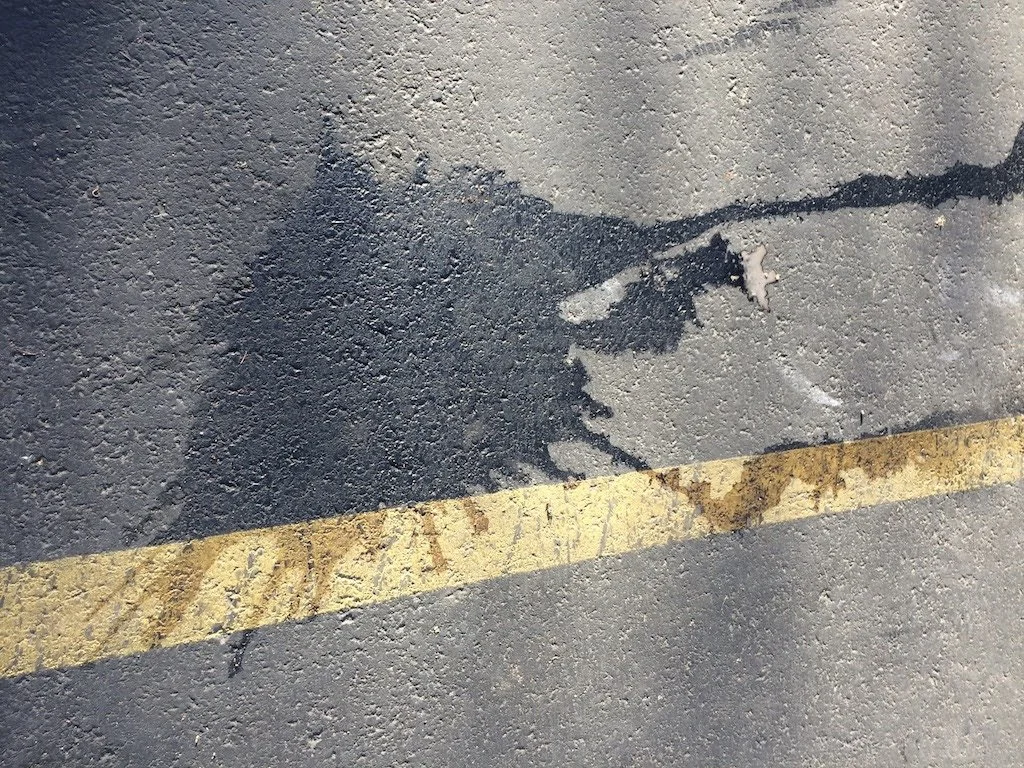
This is where my work lives, too. In the seemingly unextraordinary. This is where I can see the quiet accumulations of life take form. The shapes rendered in light and shadow in a pile of laundry. The choreographed dance of cars at an intersection - turning right, turning left, passing each other in opposite directions- against whatever song might be playing on my car stereo. Hair ties lost and abandoned on gravel parking lots and sidewalks, still carrying the energy of their owners.